Why season a cocktail?
Most of us are no stranger to using salt (NaCl /sodium chloride). Salt is a natural flavor enhancer and can even improve flavor if used correctly. In low doses, salt can reduce bitterness and amp up sweet, sour, and umami flavors. Salt is not only great for sweet recipes in low doses, but a high dose of salt will suppress sweetness and put more focus on umami, making it great for savory recipes. If you salt your food, why not try adding it to your cocktails? The principles of cooking with salt also easily applies to cocktails.
Don’t get carried away with salting cocktails (this isn’t salted rim territory). High levels of salinity can go too far into the bitterness realm to create a balanced drink. A touch of salt in the form of saline solution, however, can add a beautiful enhancement to your favorite cocktails. We all have different preferences and thresholds of flavor profiles, which means there may be a need to experiment with the dosage level of saline solution to find out where your “sweet spot” lies. Also, if you are restricting salt levels due to doctor’s orders, then this method of seasoning cocktails is probably not for you.
2025 has been a sour, shambolically shaken, bitter-forward concoction and we can safely say that most of you/us are looking forward to a better, brighter, more balanced 2026. So with hope in our eyes, bar kits in hand, and 2025 thankfully almost fully in the rear view mirror, we offer you six diverse, cathartic, and celebratory cocktails to wipe the hard drive of this year, finish strong in spirit, and proclaim cheers to a Happy New Year and beyond.
Click here to see the cocktail compendium flipbook.

Whiskies produced outside of North America, namely Scotch, Irish, and other 'World' Whiskies, represent some of the oldest and most captivating spirits made on earth. From the serene single malts of the Highlands of Scotland, to the lively, creamy and clean whiskey of Ireland, to tropical flavor bomb drams from far away places, there is a style for everyone to sip and savor. However, most folks don't think of them as cocktail options.
We'd like to suggest that you do and have created three pairs of cocktails to convince you, a pair for each of the categories above—one a refreshing, new school version, and the other a classic, spirit-forward, old school version, all made with some of the top-rated winners of our 2025 World Spirits Championships® World Whiskies Competition.
Six cocktails to rule the world of whisk(e)y, and in deliciousness bind them.
Click here to get the recipes from our cocktail compendium flipbook


Barrel-aged cocktails have proliferated in the American cocktail scene in places with a good bar program ranging from speakeasys to high end hotels. The time in the barrel imparts soft warm baking spices of nutmeg, cinnamon, and allspice, and even vanilla and toast. Barrel aging adds complexity and helps flavors meld together. It does take time, however, and that is a factor in the pricing of barrel-aged cocktails. The minimum amount of time it takes to barrel age a cocktail is three weeks, and time is money. Some of the cocktail will be lost to evaporation, aka the angel’s share. You don’t need to go out to enjoy barrel-aged cocktails. They can be made at home if you follow the steps and tips below.
Sous Vide Infusions Create More Time for Fun...and You Can Make Your Own Pechuga (Say What?)

Growing up with summer vacations has created an almost instinctual need to spend more time during the summer with friends and family at backyard barbecues and outdoor get-togethers. If you’re over 21, these gatherings we plan and look forward to will involve an adult beverage or two. Often wine and beer end up at the forefront because you can stick them in ice and not worry about getting stuck behind the bar at your own party. That’s fine, however I recommend borrowing from the modern chef’s playbook and using sous vide to create infused cocktails and spirits that will add a memorable and unique beverage experience to your festivities.
Having a sous vide or immersion circulator is the main requirement. Using a sous vide allows for infusions to happen much quicker. What may have taken weeks now takes hours. The ability to control the temperature keeps the flavors fresher. If you measure your ingredients and use the same temperature the outcome will be consistent. Sous vide helps to take the guess work out of infusions. Anything that you put into the sous vide needs to be in a sealed jar or plastic bag. Vacuum bags are the best type of bag because all the air can be removed which allows the mixture to be submerged under water and prevents oxidation. If all the ingredients are not submerged, consistency will be lost, and flavors may not come out the way they were intended. Putting a weight on top of the bag in the sous vide will help keep it submerged. A note of caution: Do not use a temperature above 150ºF when using a sous vide to infuse alcohol. Alcohol evaporates at 173ºF and can cause the container to explode. Safety first! Heat the water before starting any prep work and it should be at temperature by the time everything is ready. Like an oven, the sous vide water needs to be at temperature when the infusion is added. Think of it as cocktail cooking. After the preparation is done, the cocktail or infused spirit is ready to be served while you spend time with your family and friends.
The warm weather and the smoky smells from the grill often lend themselves to agave spirits, like Tequila and Mezcal, that pair well with an array of fresh fruit and juices. Some people are purists and prefer their Mezcal and Tequila with no mixers or additions. That has its place. Sometimes, however, a little mixer or accent is a great way to enjoy an old favorite. After all variety is the spice of life. Adding extra flavor to Mezcal, Tequila or a mixer for a pre-batched cocktail can be a fun way celebrate time with family and or friends.
Below are some fun recipes for infusing agave spirits and mixers and a cocktail with Mezcal in it. Keep in mind that those with juices are best consumed within a week and spirit infusions are at their best within two weeks. In other words, don’t make these too far ahead. Additions can be adjusted and played with to suit the flavor profile you desire. The recipes are rated for difficulty level based on ingredients and prep time. These recipes create subtle additions of flavors that preserve the essence of the Mezcal used. By infusing for longer, or slightly hotter, the flavors can be made stronger. These aren’t your basic flavored vodka level infusions. It’s time to have some creative fun and make your own specialty spirits and pre-batched cocktails so you don’t get stuck behind the bar the next time you have people over. The work will have been done and your guests will be impressed.

Recipe 1: Charred Corn, Black Pepper and Vanilla Infused Mezcal
Difficulty Level: Easy
Yield: 375ml
Ingredients:
• 1 small ear of corn shucked and charred (ideally over an open flame)
• ½ vanilla bean
• 1 tsp cracked black peppercorns (Tellicherry or Mexican Black preferred)
• 375 ml Joven or Reposado Mezcal*
• Vacuum bag or mason jar
Sous Vide Settings:
• Temperature 135ºF
Directions:
• Add all ingredients to the bag or mason jar and seal.
• Place in sous vide at temperature for 3 hours submerged. (May benefit from a weight being place on it.)
• Let rest 1-2 days to help round out the flavors
• Strain through fine mesh sieve, then a paper coffee filter to remove oil and grit
• After straining place in a clean glass container.

Flavor Profile: earthy, toasty, gently spice, dry finish.
*Joven will make the corn more pronounced where Reposado will have enhanced oak aromas and flavors from the vanilla.
How to Enjoy: Designed to be drunk neat with a light chill or served with a large rock.

Recipe 2: Playful Paloma Twist Cocktail
Difficulty Level: Moderate, requires some specialty ingredients*
Yield: 375ml
Ingredients:
• 100ml grapefruit juice (preferably fresh)
• Zest of half of one grapefruit (wide strips, no pith)
• 30ml honey syrup (1:1 honey to water)
• 2 slices of fresh jalapeño
• Pinch of salt
• 150ml Tequila (Joven)
• 75ml Mezcal (Joven)
• .5g citric acid + .25g malic acid* (approximately a scant 1/8 tsp citric acid and pinch of malic acid if measuring by volume)
• Vacuum bag or mason jar
Sous Vide Setting:
• 135ºF
Directions:
• Add grapefruit juice, grapefruit zest, honey syrup, jalapeno and salt to vacuum bag or mason jar and seal.
• Place submerged in sous vide that is already at temperature for 1 hour
• Strain and chill.
• Once chilled mix with Tequila, Mezcal, citric and malic acid, and optional dash of grapefruit or orange bitters.
• Stir well.
• Refrigerate overnight.

Note: this cocktail is a partial infusion!
Flavor Profile: Smoky, tart, spicy, refreshing
How to Enjoy: Over ice with soda water or straight up, shaken over ice and poured into a chilled coup or Nick and Nora. Garnish with jalapeno and/or grapefruit. Add a Tajin rim or salt on top if inclined. Sparkling wine can be added to make it a spritz.

Recipe 3: Duck Pechuga-Style Mezcal
Difficult Level: Moderate, high amount of prep work
Yield: 2 cups
Ingredients:
• 2 cup (240ml) Joven Mezcal
• 50g cooked duck breast (skin on, lightly seared or roasted)
• 4 slices apple (red, like Fuji or Honeycrisp)
• 2 dried figs (halved)
• 1 tsp toasted pecans (chopped slightly)
• 1 tsp jasmine or white rice
• 1/2 cinnamon stick
• 2 small piece star anise (about 1/8 whole star)
• 2 Small strips orange zest (wide, no pith)
• Optional: 2 pinches of Aleppo or other chili powder
• Vacuum bag or mason jar
Sous Vide Setting:
• 135ºF
Directions:
• Add everything to a vacuum bag or mason jar and seal.
• Sous vide at 135ºF for 3 hours.
• Chill quickly in an ice bath.
• Strain through a fine mesh sieve, then again through cheesecloth or a coffee filter.
• Rest in the fridge 24-48 hours, then decant off any sediment or fat cap.
 Flavor Profile:
 fruity, nutty, spicy, with a hint of duck
How to Enjoy: Designed to be drunk neat with a light chill or served with a large rock.
Note: As most Pechuga Mezcal is made in the winter in small batches, this infusion allows that flavor to be enjoyed all year round.
Salud!
The Margarita is still America’s most popular cocktail, but there are so many more ways to enjoy the broad and appetizing array of flavors in Tequila, Mezcal, and Raicilla. For your fiestas this summer and beyond, we highly recommend that you elevate your cocktail game para beber mejor with this treasure trove of bespoke cocktails we created for you with some of the top-rated winners of our 2025 World Spirits Championships® Agave Spirits Competition.
Click here to get the recipes from our flipbook compendium

For your revelries this summer and beyond, we highly recommend that you elevate your cocktail game to maximum rumbullion with this treasure trove of bespoke cocktails we created for you with some of the top-rated winners of our 2025 World Spirits Championships® Rum Competition.
Click here to get the recipes from our flipbook

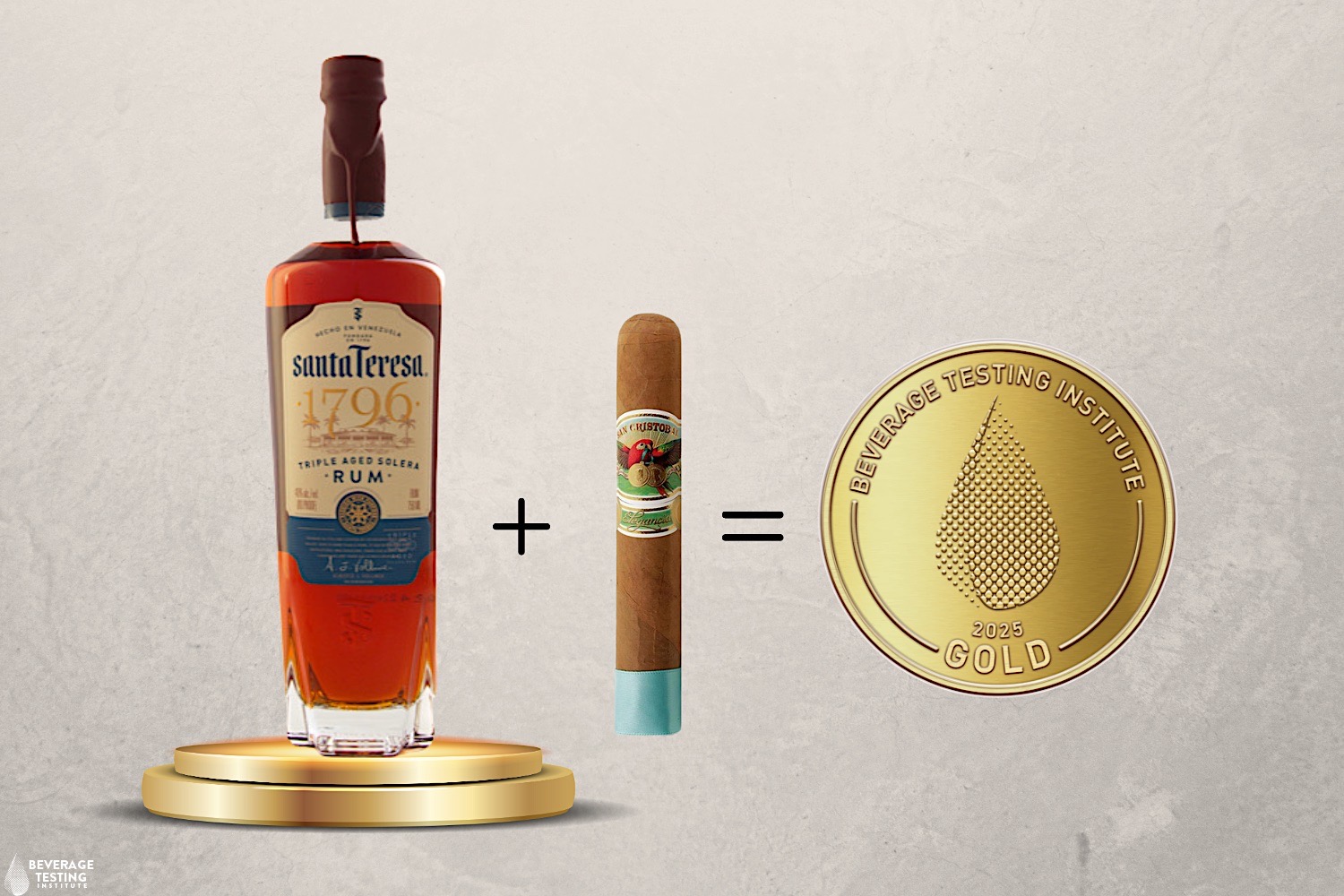
Carlos Cuarta is a nationally known, Chicago-based bartender that has been a valued spirits panelist at Beverage Testing Institute (BevTest) since 2013. Over the years on our blind tasting panels, he has made many general recommendations about a given spirit’s suitability for cigar pairings, but we’ve not had the opportunity to ‘talk tobacco’, so to speak, more specifically. To celebrate the release of our 2025 World Spirits Championships Rum Competition results and the inaugural blast of our trade newsletter, The Drop, I invited Carlos to create specific cigar pairings for some of the top rums from this year’s competition and then talk about these and his approach to creating successful cigar pairings in the video interview below.
In short, Carlos, who is one of our most detailed and prolific identifiers and describers of aromas and flavors on our tasting panels, uses his abilities and vast multi-cultural sense memory to identify common, complementary, or contrasting aroma and flavor bridges between spirits and cigars and then happily corroborates his theories with a careful smoke and sip.
What follows is a choice assortment of great rums paired with great cigars complete with Carlos’ tasting notes for his cigar picks, our BevTest tastings notes, awards, and review links for the top rums, and links to where you can purchase the cigars from one of Carlos' favorite online retailers.
Salud!

Summer is the perfect time to enjoy wines that are refreshing, crisp, and light. Consider this range of white, rosé, and sparkling wines that are ideal for chilling out on warm, sunny days.
White Wines
White wines are having a moment! Data from a 2024 NIQ report show that white and rosé wines are the only two wine categories seeing marketplace growth, with whites and rosés coming in at 56.5% of all table wines sold, versus 54.9% in 2023.
Part of the reason for the growth is that white wines pair so well with the foods that Americans are enjoying, especially in the summertime. From grilled meats and vegetables to salads and savory Asian dishes including spicy fare, whites, rosés and bubbles are great accompaniments.
Sauvignon Blanc has become a darling of the white wine category, for its crisp acidity, juicy orchard fruit and food friendliness, but it’s far from the only option.
Consider Albariño for its zesty, fresh notes of peach, lemon and subtle salty appeal, and don’t forget Portuguese Vinho Verde, made with their version of Albarino, known as Alvarinho.
Chablis also is a wonderful white for summer, with crisp green apple and citrus flavors and low-oak influence. Or reach for a dry Riesling for its crunchy acidity. Pinot Grigio offers light, clean crisp notes of pear and apple/
Check out some of the high-scoring white wine choices from our recent BevTest tastings here:
Crowded House 2023 Sauvignon Blanc, from Marlborough, New Zealand (95 points; $13) A spot-on example of a vibrant savory NZ Sauvignon Blanc with ample fruit, acidity, and versatility that refreshes the palate and begs for another sip, and another
Wölffer Estate Vineyard 2022 Antonov Sauvignon Blanc, from Long Island, New York (94 points, $32) Orchard fruits, melon, and a bit of tropical fruit balanced with a hit of the classic green herbs note, this is exactly what you want from cooler climate Sauvignon Blanc.
Baskoli Txakoli Blanco 2023 Hondarrabi Zuri, Getariako Txakolina from Spain (94 points, $25) Has the potential to be the next delicious and trending white wine to take the world by storm f--or a summer or three; refreshing on a hot day.
Weis Vineyards 2022 Dry Riesling from Finger Lakes, New York (93 points, $20; 12% ABV) Very linear and focused with good mineral backbone and tart fruit with a touch of honeysuckle roundness; drinks very Austrian in style.
Kirkland Signature 2022 Chablis Premier Cru, from France (93 points, $18) An elegantly styled, well-balanced Chablis with nice mellow fruit, bright acidity, and delicate smoky minerality; will be superb with grilled seafood.
Mistura Unica 2024 Vinho Verde, from Portugal (92 points, $8) A wonderfully tangy and quenching Vinho Verde that will be brilliant as an aperitif with oysters and shellfish, like a garden party in a glass.
Cielo 2024 Pinot Grigio from Delle Venezie DOC, Italy (93 points, $9) A round and lush Pinot Grigio with great flavor and texture; a superb sipper that can also work with richer white meat dishes.

Rosé Wines
Ten years ago, American wine drinkers were going gaga over rosé, as the U.S. embraced rosé wines with a gusto not seen since pinot grigio debuted in America in 1979. Today, rosé has found its place in the U.S. as an everyday favorite, and it still surges in popularity in the summer time.
Rosés can come from anywhere and can be made from a wide variety of red grapes from Cabernet Sauvignon to Tempranillo and everything in between. Hues can range from very faint pink to salmon to deep pink and light ruby. Color cues can often tell you if the wine is going to be lighter or heavier bodied. Take a look at some of the recommendations here and get ready for rosé all day!
Chateau Sainte Marguerite 2024 Fantastique Rosé, from Côte de Provence, France (95 points, $45) Deftly balanced, bright and passionately flavorful - the perfect accompaniment to great conversation and an array of fresh foods—this is a glass full of perfectly balanced hand-picked berries and dried flowers.
Taylors Estate 2024 Rosé of Pinot Noir, from McLaren Vale, Australia (94 points, $18) Crunchy red fruit, lime zest and dried flowers neatly packaged in this poolside rosé that is complex enough for a buttoned-up dinner table.
Lucas Vineyards 2023 Dry Rosé of Cabernet Franc, from Finger Lakes, New York (93 points, $18) Charming and crushable, loaded with red berries and a pleasant, light herbal character as a counter balance.
King Estate 2023 Rosé of Pinot Noir, from Willamette Valley, Oregon (92 points, $20) A complex rosé that keeps you going back to the glass looking for more aromas and flavors yet not so complicated that it can't just simply be enjoyed.

Sparkling Wines
Fresh, fizzy and festive, sparkling wines are great fun for summer sipping. Champagne is the undisputed queen of bubbles, but there are so many exciting new choices in this category.
Consider the new darling of Italy, rosé Prosecco, which made its global debut in 2021, after the Consorzio Tutela de Prosecco DOC approved the current method in 2020. It’s made with 85% Glera – Prosecco’s signature grape – and up to 15% Pinot Noir, for its beautiful pink hue.
South Africa serves up MCC – aka Methode Cape Classique – which, as the name suggests, is made using South Africa’s version of the classic Methode Champenoise, using traditional Chardonnay, Pinot Noir and Pinot Meunier grapes.
French Crémants are another affordalicious choice, made throughout France, using the methode traditionelle. And finally, Spanish Cava, also made using the méthode traditionelle, from Spanish grapes including Macabeo, Xarel-lo and Parallada pairs perfectly with picnics, porches, pools and patios.
Let these fresh, fizzy favorites inspire your next porch party:
Kirkland Signature 2023 Rosé Prosecco, from Prosecco DOC, Italy (93 points, $7) A lovely Rosé Prosecco with a very pleasant red berry essence.
Graham Beck NV Brut, from Western Cape, South Africa (93 points, $25) Fine mousse with excellent acid and structure hold together the combination of citrus, orchard, and crisp red berry fruits that elevate this Brut.
Specially Selected NV Crémant d’Alsace, from Alsace, France (90 points, $14.99) A bone-dry sparkling wine with bright citrus flavors makes this a great Champagne alternative.
Jaume Serra NV Cristalino Brut Cava, from Spain (91 points, $12). A quintessential Cava that will give any NV Champagne a run for its money.
For more wine, spirits, and beer picks for your summer and beyond, visit our Latest Reviews section
We are excited to announce the world premiere of our timely drinks newsletter, The Drop™, on May 16th.
The first edition will feature a treasure chest of rum content based on the results of our 2025 World Spirits Championships® Rum Competition, that will also debut on the 16th on tastings.com.
To herald the dawning of these two epic events we put together a trailer worthy of the grandeur and gravity of the moment.
Get ready to Get Your Grog On and please sign up for The Drop here.
It’s almost St. Patrick’s Day again. Depending on where you live that can mean any combination of activities from parades, dying a river green, meals focused on corned beef and cabbage, and green beverages. It’s not uncommon to drink green beverages on St. Patrick’s Day that you dyed yourself or bought with the dye already included in a restaurant or pub. A bevy of drinks are dyed green including spirits, beer, and wine. It can feel fun and festive. This year, put down the wine with green food coloring added. Instead choose a wine that is made with green farming, a wine that is made with a green initiative. Wines made from a green initiative can be any color, red, white, rosé or orange and it can be still, sparkling or fortified. The green is a reference to one of many farming practices that drinkers can feel good about.
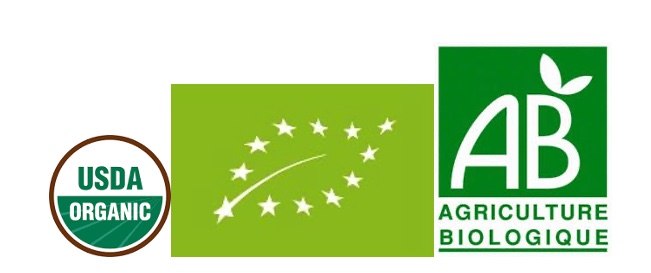
The major green farming practices are organic, biodynamic, sustainable, and regenerative. These different practices are used to produce a multitude of different wines from all around the globe. The winery may choose to become certified for the practice that they use, but they may not. Certification isn’t needed to follow the path of one of these practices. Certification is needed to put it on the label. Some producers, especially smaller ones tend to shy away from the expense of certification. So, when in doubt about a wineries farming practices ask an employee at your local wine store. They may know off the top of their head, or they can look it up for you if the store isn’t too busy.
There are so many certifications and stamps on labels it can be difficult to know what it all means. Each type of farming has similarities and some difference. Knowing the basics of these farming types can help make deciding on a wine easier. What’s great about choosing one of these types of green wine means you can’t go wrong no matter what green process you choose.
Many say that America hit “peak rosé” in 2017. You may remember when everything seemed to take on a rosé hue, from gummy candies and cupcakes to fun runs (Run for the Rosé!), fashion accessories and of course frosé – the sippable, slushy drink that was the rosé rage at smart restaurants and bars.
Since that blooming of attention, rosé wines have wilted a little bit, instead becoming a wine that people drink year-round, and not just in the summertime. Still, though, spring is when the newest vintages of rosés debut, so let’s take a stroll down the pink path and see how rosé has settled into its place on store shelves and wine lists.
A Brief History
Rosé has been around for millennia, and first entered the American consciousness in the 1950s in the form of Mateus and Lancers. These were sweeter “gateway” wines that enjoyed some popularity for a decade or two.
But over time, Americans got more savvy about wine, and these brands were rejected for being of poor quality, when compared to the Italian and French wines that were being poured at dinner parties and restaurants throughout the 1960s and ‘70s.
But watch out – here comes 1972, and Sutter Home’s White Zinfandel, famously created after a stuck fermentation resulted in a pink wine with high sugar levels. All of a sudden, pink wine took on a new level of popularity. It was sweet, light, pink and people went mad for it.
Fast forward to 2010: White Zin was in our collective rearview mirrors (though it hadn’t entirely disappeared), as a flood of high-quality rosé wines started coming in from Europe – especially Provence, rosé’s global HQ. Today, rosé wines are about 10% of still wine consumption, so when added with white wines this is more than half of all wine consumed globally. Rosé wines are being made in virtually every wine region around the world – and people are drinking them practically all the time.
BevTest is back at it with our World Spirits Championships, as well as our World Cocktail Championships, kicking the year off with our Vodka call. With so many applications, ingredients to be distilled from, and flavors to be made, Vodka is incredibly versatile. Let’s jump right into the deep end with our eyes open and see right through to the clear winners, mmmkay?
Oh, RTD’s… they’re like the snack pack of cocktails! No shame here; we’ve all had chips for dinner at some point, right? So let’s pop into the easy-peasy world of pulling a tab back or twisting a cap open and dive right in!
For our On Demand wine tasting this month, we saw quite a few wines that piqued the judges’ palates, but these BevTest Gold medals stood out from the rest of the crowd.

Washington State is the second largest wine producer in the United States, with a yearly volume of more than 17 million cases of wine; and much of that generated by one winery, the state’s oldest existing: Chateau Ste. Michelle. In fact, Chateau Ste. Michelle produces more wine than the entire neighboring state of Oregon. But before we dig into “the Chateau,” let’s review the industry’s history in this Pacific Northwest state.
Washington Wine History
Washington wine dates back to 1825, when the first grape vines were planted by the Hudson Bay Company at Fort Vancouver. Pioneer William B. Bridgman later introduced vinifera vines to Yakima Valley in the early 1900s and in the 1930s, Dr. Walter Clore, recognized as the father of the Washington wine industry, researched what varieties would grow well in the state. These early innovations, research, and pioneers later gave way to the significant growth of the industry in the 1960s and ‘70s.
The Yakima Valley, Columbia Valley, and Walla Walla Valley emerged as prominent wine regions, cultivating varieties like Cabernet Sauvignon, Merlot, and Riesling. The industry’s growth continued through the late 20th century, marked by the establishment of numerous wineries and a focus on producing high-quality wines that reflected the unique terroir of Washington. Today the industry is thriving with more than 1,000 wineries and 80 different varieties planted across 20 American Viticultural Areas (AVAs).
Why Washington
Although there are 60,000 acres of wine grapes across Washington, the majority are located within the Columbia Valley AVA in the eastern part of the state. Here, the Cascade Mountains block the wet weather from the Pacific Ocean and create dry, warm conditions. In other words, it’s a high desert with as much as 17-hours of sun during the growing season and very hot days followed by very cool nights. That diurnal temperature swing (sometimes as much as 50-degrees between day and night) is key for maintaining acidity in the grapes. As for the soils, throughout the Columbia Valley you’ll find a basalt foundation resulting from old lava flows, glacial slack water deposits from the Missoula floods, loess, and free draining, nutrient-poor composites making up the majority. These porous and well-draining soils are ideal for growing grapes and they provide a source of minerals to help the vines thrive.
With only one AVA west of the Cascades, the Puget Sound AVA, the majority of the regions across Washington are similar in climate to the Columbia Valley, but with varied soils, micro-climates, and elevations. It’s largely an arid to semi-arid region, geologically and geographically advantageous for growing a variety of grapes with balanced levels of acid, sugars, and structure.
The Chateau
Oh, January. Is there a sadder month? Well let’s make it officially the saddest by not drinking, some people said. Yeah, yeah, health, well-being, blah blah blah. If you are insistent on starting off 2024 in torment for your greater good, then who is BevTest to stop you? Instead, we’d rather support your choices and offer up some of our favorite N/A options for you to enjoy while you wait for February, the second saddest month of the year.
It’s December, which for most means it’s time to think back on the year as it closes out and ponder about choices, decisions, and memories; here at BevTest we’re sitting back and reflecting on… our favorite alcoholic beverages of the year! Just us? We hope not because we have a highly curated Top 5 list of our best and brightest from our little corner of The Lab!
For our World Spirits Championships’ Last Call competition, we saw an all-encompassing group of products from across the major categories. From these entrants, we awarded BevTest Platinum medals to some really special standouts, including Bhakta Spirits 1990 Armagnac Cask-Finished Jamaican Rum, Kuleana Rum Works Hokulei Aged Rum Batch No. 12, Bhakta Spirits 1928 Blended Straight Rye Whiskey, Calvados, and Armagnac, Elijah Craig Barrel Proof Kentucky Straight Bourbon Whiskey Batch No. C923, Larceny Barrel Proof Kentucky Straight Bourbon Whiskey Batch No. C923 and Old Potrero 6 Year Old Copper Pot Still Straight Rye Whiskey, all of whom are sitting pretty at 96 points. Not to be left on the shelf, check out some of the other impressive offerings we flighted up and put through their paces.
Ah, Halloween. The scariest, most ghastly holiday of the year, and while most people think of New Year’s as the most reflective holiday, here at BevTest, we’ve found that Halloween gives us pause to take a backwards glance at some of the products we tasted that we really could have done without in 2023 (or forever for that matter). Come along my pretties, down the deep, dark pit that is our most terrifying sips (thus far).
For the Brandy and Liqueurs review in our World Spirits Championships this year, we saw some very good to excellent examples throughout the two categories, but there were a few standouts in the Luxury Armagnac category that truly deserve a special shoutout. Bhakta Spirits took our judges' collective breaths away with most of their selections, yet the following three were the BTI Platinum medal winners, and for many, many delicious reasons. Let’s see why!
Whiskies of the World, unite! For our World Whisky competition this year, the fight was fierce. We saw incredible Whisky from all over the globe, including contenders from Scotland, Ireland, Sweden, Japan, Taiwan, India, France, Poland, and Iceland. With so much exceptionalism to go around, we had our top Whisky judges on the case to help evaluate and decide who and what really rose to the top. We’ve picked some of our favorites to highlight, so let’s do a deep dive into some barrels, shall we?

For this year’s World Cocktail Championship’s® Rum edition, we saw some real contenders showcase that you don’t have to be a literal giant to climb your way to the top of the sugar cane stalk. We shook up some Rum Daiquiris with 2 oz of Rum, ½ oz simple syrup, and ¾ oz of fresh squeezed lime juice, and let our expert judges loose! Staking their claim in the coveted number one spot was Holmes Cay Heritage Blend Ron Rhum Rum Esotico Edition, and it wowed the panel by managing to have a little bit of every major Rum and sugar cane flavor going on, which spoke to its high quality as well as having something to please everyone. The classic flavor profile with a tangy twist left pleasant floral notes on the finish lending to a best in show Daiquiri with some welcomed aged characteristics. The panel’s number two pick was Plantation Isle of Fiji Double Barrel Rum, which allowed the tropical fruits and brown sugar notes to create a well-rounded Daiquiri that showcased how the aged and woody notes of the Rum complimented the spiciness of the lime juice. Third place went to Kuleana Rum Works Hawaiian Rum Agricole Batch No. 105; the Agricole style of this Rum added some great grassy notes that elevated the Daiquiri and lent itself as a lighter, more herbaceous expression. The fourth slot in the competition was filled by Tanduay Silver Asian Rum, and the judges noted its benchmark taste and amazing aromas, which allowed each ingredient to shine through yet harmonized with the Rum and its style. Time flies when you’re having Rum, so drink up!

For this year’s Gin cocktail in our World Cocktail Championships competition we had some seriously delicious contenders throw their hats in the ring and see who made the top four best Gin Martinis. We kept the recipe simple to highlight the Gins’ distinct flavor profiles and really let each product shine through: 2 oz Gin plus ¼ oz Dolin Dry Vermouth stirred, and an optional lemon peel for garnish. The judges’ number one pick was Prohibition Liquor Co Original Gin which was praised for its attractive aroma and nicely dry finish that ticked all the right boxes for a silky smooth Martini. Finishing in second place was Atian Rose Gin; its subtle pink hue and beautiful balance of botanicals and citrus made it really standout, as well as its melody of sweet citrus and spices. Beattie’s Distillers Navy Strength Gin rightfully won third place as its pleasant and tasty anise forward aromas and hints of pine with a bone dry finish deftly integrated with the vermouth. The fourth place spot was taken by Martin Miller’s Westbourne Strength Gin, which made for a Martini that would please any crowd by showcasing harmony between the Gin’s floral and fruity notes and the vermouth. Four cheers for everyone involved!
Vodka as the Switzerland of the spirit world seems to be the status quo no longer. We evaluated Vodkas from all over the globe that highlighted how different this neutral grain spirit can taste depending on many factors, including where it’s from and how it’s distilled. In addition to our yearly Vodka review for our World Spirits Championships, we also hosted our World Cocktail Championships for Vodka. This year, in the midst of a resurgence of classic cocktails, there is one that is always on trend: the Cosmopolitan. And what a perfect showcase it makes to let Vodkas shine, whether flavored or unflavored. We judged our cocktail contestants amongst their peers and found that clean and simple does the trick. While there is no wrong way to enjoy this mix of Vodka, orange liqueur, cranberry and fresh squeezed lime juice, there are four very right Vodkas to enhance your trip to outer space. So strap in and let’s head for the stars, shall we?
Backyard BBQ, beach, golf course, pool party; there’s nowhere that Ready-To-Drink (RTD) beverages don’t go. And with so many flavor options and styles of RTDs, consumer choices are, well, an open bar. When you need convenience, whether due to lack of proper ingredients, your location, or simply because you just want to pop and pour one out, RTDs have you covered. From a simple Whiskey and Ginger, to a multi-ingredient Bloody Mary, or a favorite old school cocktail that’s having a moment (we see you Espresso Martini), we saw and evaluated the gamut of types, styles, and flavor profiles to make your choices as easy as cracking open a can or bottle. We also saw some incredibly well-executed mixers for when you feel like you can handle at least two ingredients, so let’s pop the top off, shall we?
For many of us Rum is a drink first associated with fun;
beach vacations with a Pina Colada or Daiquiri, a Hurricane at Mardi Gras, rum
and cokes at a college party, or Mai Tais and Painkillers keeping the winter
blues away while you dream of beautiful Polynesian islands. Rum more than any
other beverage is associated with fun. But
don’t let the fun fool you, in the finest examples, such as El Dorado 15 Year
or Zacapa Centenario, rum is as fine a sipping spirit as Single Malt Scotch,
Cognac, and Bourbon, with connoisseurs taking the spirit just as seriously. What
rum lacks in reaching true premium status is the regulatory regiment of a
single country enforcing production methods.
Samples flew in from around the country and around the world, and we drove through the sun-soaked mountains and valleys of Napa and Sonoma all the way to the snowy mountains of Vermont to make sure that fresh samples of top benchmark beers were represented. Though we would be remiss to not point out that some world-class beer is made and easily available right here in Midwest as well. Having these exemplary options on our panels and to share with friends, colleagues, and fans at the World Beer Championships award ceremony held this January at Chicago’s The Beer Temple was worth the efforts. Tip of the cap there to Toppling Goliath and Revolution Brewing for not only being outstanding, but also so close that they could have walked these amazing beers to our sensory lab.
Click here to see the winners of BTI's 2023 Packaging Design Competition.
Even though sparkling wine is always welcome at our table any time of year, there is something extra special about those tiny bubbles come the holiday season. Whether it comes from a more traditional part of the world (looking at you, France, Italy and Spain), or somewhere a little more out of the ordinary (we see you, Germany, England, South Africa, USA, and Tasmania), this year we thought we’d take the opportunity to highlight some of the less commonly known styles and grapes that make delicious bubbles for any occasion. Let us help you choose your perfect finely carbonated bottle, from Pinot Noir to Corpinnat, Methode Traditionelle to Prosecco, we’ve got you covered!
With the weather beginning to turn cold and gloomy, people’s minds start to turn to drinks that will warm the body, delight the senses, and fortify their constitution. Whether it’s the cozy embrace of a hot toddy, a nip of Scotch on a blustery day, or the aroma of mulled wine wafting throughout the house, winter makes us crave comfort and warmth.
Repeal day (December 5th) remembers the end of the Prohibition Era in American history and serves as a kind of unofficial start to the holiday drinking season (December 5 also happens to be Krampusnacht for anyone else that enjoys a spicy dram with St. Nick’s devilishly handsome Alpine counterpart). As an homage to the classics as well as looking forward to the holidays here are some delicious cocktails that will cut through the cold, take you to warmer climates, or help enliven you to keep the party going another day.
As we plan ahead for the holiday season, thinking about what wines to serve to friends and family rises to the top of the to do list (see our 2022 Holiday Gift Guide here for all your beverage options!). Our panelists recently sat down with a plethora of white, rosé, and red wines that fall into the $20 and under category (our World Value Wine Challenge) and wines that are $20 and above for our Stellar Cellar review, so roll up your sleeves and pour yourself a glass of your favorite ‘for now’ wine as we head down into the cellar and see what stood out to the experts’ palates.
The Festival of Barrel Aged Beers, more commonly known as FoBAB is about to celebrate their 20th anniversary here in Chicago. So, with beer on the mind and pint glasses in hand, we sat down with long-time friend, beer market savant, and local brewery employee, Mark Mesrobian, to discuss some of the current and emerging market trends, as well as BTI’s upcoming 2023 World Beer Championships.
The immediate future is a bit hazy, pun intended, but the biggest trend in beer right now seems to be the creativity of continuous change and giving the consumer something new—maybe not perfectly executed, but very high quality overall. As Mark puts it, “To a degree the taproom and regular releases are a bit like collecting Pokemon. This equates to small and frequent recipe tweaks rotating through to see what people respond most to, while new recipes take a bit longer to develop and capture flavors that appeal to the current trends. The challenge, other than maintaining the attention of consumers, is margins. The beer market was retracting before the pandemic, and we were already seeing bigger brands buying up craft brands for market consolidation. Once you toss in the growth of seltzers and RTDs, as well as supply chain shortages and price increases on supplies— well let’s just say that it’s not easy to be a small brewer unless you are innovating and responding to immediate consumer interests.”
Happy Halloween, fellow tasters! In honor of one of our favorite holidays, we thought we’d head deep down into our spooky annals and share with you a few of the ickiest, most ghoulish beverages we’ve tasted this year. So grab a flashlight and come down to the basement archives with us to dig up some dead bottles.
This year, we wanted to spotlight some of the lesser known winemaking regions of the United States, so we held the first annual Americana Cup, and the US of A really delivered. We evaluated scores of unique and regional wines from Georgia, Indiana, Michigan, Missouri, New Mexico, New York, Pennsylvania, Texas, and Wisconsin to see what they had to offer, and it turned out to be quite a bit! Let’s take a look and see who were some of the standouts from this exciting new review.
Even as we look forward to the holiday cheer, there is always time to reflect on the year coming to a close. Being clearheaded for that reflection can sometimes be challenging with all the imbibing going on at various parties and events. It can also be challenging to find N/As and Spirits alike that can make you feel good about imbibing them, whether or not they come with a buzz. Our 2022 Holiday Gift Guide has you covered for all your mindful non-alcoholic (and alcoholic, no judgment here!) needs.
Holiday gifting is just around the corner and the team here at the Beverage Testing Institute has you covered on suggestions that will guide you and pair with any festive fair on your table. Our gift choices might also be more fun than other stocking stuffers, and potentially make that once a year chat with Aunt Kathy easier. Of course, we have the repeat Best of the Year Gin, amazing Whiskies, and sumptuous Wine featured. Yet for those of you looking beyond the Best of Year, we also have cocktail suggestions with just the right bottles for your chosen elixir that fit within every budget to bring a bit more mirth and cheer. If you enjoy some brief heartfelt stories and guilty pleasures, we have those in the mix too. Even some low alcohol and no alcohol options to gift yourself and others, should you be ahead on the dry January plans. So please peruse our 2022 Holiday Gift Guide for all your beverage needs.
We here at BTI wish you a safe, happy, healthy, and prosperous holiday season.
WOW!! What an exciting year of tasting and reviewing Spirits,
Wines, RTDs, Beer and everything else with our amazing panelists! Some incredible
gems in our list of the Best of
the Year selections that you don’t want to miss, but even the quasi-stellar
sips were highly educational, memorable, and a great reminder that making some
of these incredible products is a work of passion mixed with science, artistry,
and often a bit of good fortune. Take a look and hopefully discover a few new
favorites for your 2022!
The Sidecar is a much beloved drink that has stood the test of time; the simplicity of its build belies its depth of flavor (see here for a deeper dive into the history of this beloved cocktail). We had some colossal Cognacs and Brandies to come through this year, giving our panel of stellar judges some tough decisions to make for our World Cocktail Championships' Best Brandy in a Sidecar competition. We stuck to a popular iteration of the classic Sidecar build: 2 ounces of base spirit, 1 ounce of Cointreau, and ¾ ounce of freshly squeezed lemon juice, with the option to add an orange swath after the cocktail was tasted on its own. Let’s see who made the top four!
In art as well as life the stunning beauty that can be found in simplicity is sometimes striking. Such is the case with the Sidecar cocktail. Three basic ingredients Brandy (typically VSOP Cognac or older), Cointreau (or similar quality orange liqueur), and fresh lemon juice shaken over ice in a 2:1:1 ratio create a breathtaking cocktail that needs no improvement more than a century later.
While the cocktail is simple and delicious, its origin story is rather convoluted—like those for many classic drinks tend to be. Was the Sidecar first introduced at Buck’s Club in London, at the Ritz-Carlton in Paris, or somewhere else entirely? Was the cocktail in truth made for an American army captain who responsibly made sure to regularly have a compatriot drive him home in a motorcycle sidecar? While the who and where are up for debate, many cocktail historians agree that the drink was first crafted in 1920 or ‘21 and then appeared in Harry MacElhone’s ABC of Mixing Cocktails and Robert Vermeire’s Cocktails and How to Mix Them come 1922.
Almost a month has passed since the US Alcohol and Tobacco Tax and Trade Bureau (TTB) proposed to adopt the American Single Malt Whiskey Commission’s (ASMWC) standards for American Single Malt Whiskey. For producers of American Single Malt (ASM), establishing a government-regulated Single Malt category has seemed like a slow process—centuries behind the Celtic nations they would argue. However, now things are moving fairly quickly with official adoption of the ASM standard likely in early 2023, after the required public comment period.
Once again, our esteemed panel of Chicago area bartenders and buyers got together to evaluate and decide the winners of our 2022 North American Whiskey Manhattan Cocktail Competition, and as usual it was no easy feat with such delicious competitors entering the ring. Wanting to showcase the Whiskey itself as much as possible, the cocktail build was classic, using the 2-1-2 recipe: 2 ounces of base spirit, 1 ounce of Carpano Antica, and 2 (hard) dashes of Angostura Bitters.
Temperatures and humidity have been soaring but don’t worry, no summer breaks here as we’ve stayed tucked away in the air-conditioned lab letting the whiskies transport us to winter in Australia, the rolling hills of Ireland, the Scottish Highlands, and the unthinkably even hotter high plains of India and the mountains of Taiwan. Of course, as these whiskies warmed the soul and filled us with wanderlust, we also made sure to keep our mavericks of malted distillates cool and busy appointing their favorite classic Highball.
We invited a panel of our favorite bartenders and spirits professional to visit our BTI Sensory Lab with a mission to find the 2022 Best Tasting World Whisk(e)y in a Highball from a field of competing brands. Not only were these classic long drinks delicious, but the winning whiskies truly represent a diversity of global flavors and styles. Keeping things fair as well as straightforward, each blind-tasted Highball was made with the same recipe: 2 ounces of each brand’s whiskey mixed with 4 ounces of chilled Topo Chico with each panelist provided a side of clear ice and lemon wedges to apply at their discretion.
With summer in full swing, there’s nothing like an ice-cold glass filled with your favorite sweet nectar, and in our case it must be Agave-based this time of year. Our brave panels of experts evaluated over 90 products to help you narrow down your own must-have list, and then our top-tier Bartenders and Beverage Program Directors crowned the winners of our Margarita Cocktail Competition, so let’s get to it!
Sun’s out, Rum’s out. Something about that warm breeze gets our hands reaching for a tropical beverage, and we all know Rum is the anchor to that refreshing ship. Not only did our panelists run through nearly 100 offerings, but they also awarded the winners of our annual Daiquiri competition. Plus: Beverage Testing Institute showed up strong at Chicago Rum Fest and helped crown the People’s Choice champion. We don’t know about you, but we’re already thirsty for the results, so here they are!
Sun’s out, stems out! Tis the season for patio parties, porch hangs, and picnics—none of which are complete without a chilled glass of wine in hand. We’re already thirsty just thinking about it (and we bet you are, too), so here are our experts’ picks for sunny sips.
While we know you have your go-to Vodka for Cosmopolitans
and your beloved Gin for Martinis, the Tastings team believes that there is
always room to improve on a classic, and this year’s top champions in each
category just might have you switching up your happy hour routine...
There’s nothing that complements springtime weather (and
gets us excited for summer) quite like a gin cocktail. We had an excellent
showing this year, but here are our top faves to meet all your boozy botanical
needs.
Beers from across Australia, Canada, China, England, Finland, Singapore, and the US convened in our Chicago tasting lab where our expert judges sniffed and sipped to find the best suds in the biz.
Whether it’s a seltzer, a hard kombucha, or a malt-based cocktail, these bubbling beauties are a one stop shop for easy, delicious drinking.
Nothing lifts our spirits like sipping on something that’s tasty AND thoughtful. Whether it’s organic sourcing, community support, or health-focused practices, these are our standouts from the Conscious Spirits reviews.
While thrifty shopping is crucial to our everyday wind-down wine, it’s just as crucial to siphon off some of those savings to put towards some spendy stunners! If you don’t have a special occasion on the calendar, you might want to consider penciling one in so that you can celebrate with these bottles in style.
Traveling the world through wine doesn’t have to drain your whole paycheck! We sipped and swirled offerings from across the globe and have assembled the standout stunners that provide top-tier quality at wallet-friendly prices.
Originally created as solutions to phylloxera (a catastrophic grapevine pest), hybrids are grapes that are bred from existing varietals (FYI these are not GMOs). Many come to us from either France or the minds at Cornell University and University of Minnesota, and they’re often cold-hardy and disease-resistant which means they’re coming to a wine glass near you sooner rather than later.
This year, BTI evaluated a myriad of whiskies from all around the globe. Here are the standouts and the first perfect score in nearly a decade.
Summer sun sure does make us thirsty, which is why the Tastings.com team has whipped up a few delicious quenchers for you to sip and share.
And the pairings are easy.
Fresh cane juice or molasses? Pot or column distilled? Aged a little or a lot or not at all? In case you haven’t checked into the rum category lately, there’s lots to catch up on, and we’re here to tell you that there is, in fact, a rum for everyone.
The sacred agave plant is at the heart of Mexico’s history, and its delicious distillate commands respect with every sip. Scroll through to learn a little more about summer’s favorite swig and find our top picks from this year’s agave spirit reviews.
With over 10,000 varieties of apples, there’s a lot of room for variation in your favorite fizzy ferments. We’ll get into some fun facts on these fabulous fruits, and we’ll share some of our recent favorite pours as well!
Whether you prefer an olive or a lemon twist as a garnish, we’ve got you covered when it comes to your martini’s most important ingredient: the gin.
The New York Wine Classic is the largest annual event honoring the very best wines the state has to offer, and Beverage Testing Institute was proud to partner with the New York Wine and Grape Foundation to taste through the 607 entries from 96 different wineries in order to showcase these standouts from the Excelsior state.
The Cosmopolitan is a cocktail that never goes out of style, so it’s always important to check back in with your base spirits to make sure your pretty pink drink is shining as bright as it can. Our team of judges sipped through glass after glass and found their four fave cosmo-ready vodkas, and we’re sharing them with you!
A lot goes on behind the scenes before a final beautiful bottle makes it to the shelves, and we’ve narrowed down this year’s best design submissions!
Quarantinis have been the lifeline for many of us throughout the pandemic, but sometimes you want a sessionable beverage that won’t make you late for your Zoom meeting the next morning. Here you’ll find some of our favorite cocktailing options that have all of the fun and none of the hangover.
Love a little licorice in your liquor? This traditional Levantine beverage offers crisp, lovely flavors with a strong historic backbone and will be sure to serve your licorice longings.
After reviewing thousands of wines, beers, and spirits this year, Beverage Testing Institute is proud to present the 2020 Best of Year award winners! These products, representing the best in their categories, were evaluated blind by panels of trade buyers and category experts, generating reviews that have proven to be the most trustworthy and consistent in the industry.
We took the trouble of rounding up this year’s most excellent offerings. Inside our guide you’ll find the best of the best in each category we tasted, the best bangs for your hard-earned buck, and a few spendy stunners so you can treat yourself for making it through 2020.
Ferment any fruit, distill as you wish, and you’ve got yourself a brandy! Don’t have a still in your garage/bathtub? Scroll through these stunners to find your next favorite fruit-based friend.
Whether you call it a liqueur or a cordial, you’re sure to love this selection of cocktail gems. Ranging from bright and bitter to fruity and creamy, this year’s picks are sure to shine in your next drink recipe.
With the change of seasons comes the thirst for rich, golden drams. We tasted over 100 great grain-based offerings to determine your next whiskey picks!
A glass of white wine is great any time of year, but pair it with some sunshine and you’ve got yourself a dream come true! We’ve rounded up some of this year’s domestic sippable stunners to make every al fresco meal a memorable one.
There’s just enough summer left to enjoy a few more bright, citrusy cocktails, and we assembled a panel of top tier daiquiri palates to find the best rums to make the most of the waning sipping season.
Do you love gin and are thirsty for more? Are you a die-hard brown spirits fan that needs a push to the botanically influenced side of the spirits world? Barreled gins are the answer to the question you never knew needed asking, and these five are some of our favorites!
In a world where every decision-making dollar counts, why not put your money where your values are? Whether bettering the environment, the community, or both, everything tastes better when ethics are part of the recipe, and these are some of our favorite conscious concoctions!
With the long-awaited arrival of sunny days comes the inevitable craving for sparkling sippers, and with so many options available, how can a person choose? Relax! We’ve done the seltzer-sifting for you, and we’ve found the best bubbles to keep on-hand.
As we hunker down at home, gazing nostalgically at our coaster collections from our favorite bars (rest assured, they miss us too), we can use this quaran-time to elevate our personal refreshment repertoires. With high-quality, high-value, and high-versatility offerings, your stay-at-homebar can keep you creatively quenched until the curve is completely flattened.
We’re three months into 2020 and winter is making brunch cocktails as necessary as ever, so to help you make the right decisions at your next encounter with a make-your-own Bloody Mary bar, we’ve found the finest vodkas for before-noon drinking. Much like your brunch buffet, our list has something for everyone.
There’s something special about a Moscow Mule. It’s a simple enough drink--vodka, ginger beer, lime, and mint--but drinking one just feels…right. Maybe it’s the ritual of the gleaming copper cup or the fresh scent of the mint as you take your first sip. Whatever it is, it’s heaven in a glass, and a full year after our last Moscow Mule tasting, we’re back with a whole new lineup of outstanding vodka offerings to try.
In its own category of alcoholic beverage, this combination of honey, water, and yeast is a tasty treat that’s been flying under the radar of modern imbibing—until now. Humankind’s oldest boozy beverage (dating back to 7000 BC!) is seeing a rise in popularity, and we’re here to give you everything you need to know before you grab a goblet.
Everyone has their own personal favorite style of whiskey, and North America has something for everyone. Whether you prefer the sweetness of Canadian whiskey, the spicy bite of American Rye, or the smooth sipping of real Kentucky Bourbon, the continent has it all. As great as having that variety is, it can make figuring out which whiskey you should pour in your drink an overwhelming task. Tastings.com has taken care of that task for you by testing dozens of whiskies to determine which ones mix best in two classic drinks: the Manhattan and the Sazerac. First up: the Manhattan.
A test so nice we did it twice – how else can you determine the best whiskies and waters for a highball cocktail unless you test both separately? Here’s how it worked: we took one control whisky and made 19 cocktails with 19 different waters, then we took a control water and did the same thing with over two dozen different whiskies to find out the best possible ingredients for this simple, classic beverage. Be sure to check out the full list of whiskies and waters we tested as well, because while we could only name a few winners in this particular matchup, we still did the hard work of reviewing each one. Who knows, your new favorite drink could be waiting there for you to discover!
We know you come here for honest, expert ratings of alcoholic beverages, so rating water probably seems like a waste of time, right? Absolutely not. Throughout history, water was the original mixer. No respectable Roman would drink unwatered wine, and no pirate or sailor would drink straight rum without adding water to create grog. Even when drinking whisky neat, connoisseurs often add several drops of water to open up the flavors. Whisky and water is a timeless combination, so it’s our duty to inform you which water makes the perfect highball cocktail.
It’s warming up, and when it comes to a crisp, refreshing beverage, light beer and white wine don’t always cut it. Not long ago, you’d have to get up from your lawn chair to fix yourself a gin and tonic, or the perfect margarita, but recently the advent of hard sodas and waters gives summer drinkers new options that can be grabbed straight from the cooler. And despite the name, hard sodas aren’t only for the young at heart and young of palate - this new generation of infused drinks is anything but kid stuff.
With hundreds of big name and artisan gins out there, it’s hard to choose the right base for a show-stopping martini. Luckily, Tastings.com has assembled an all star team from the finest cocktail bars in the country to guide you. Our expert judges rate the year’s best botanicals so you can mix the perfect martini for any occasion. The recipe is simple but the flavors are complex: 2.25 ounces of gin and .75 ounces of vermouth - sorry Mr. Bond, no vodka here.
Ever wanted to know the best whiskey to use in a Manhattan? Our World Cocktail Championships pit top brands against each other to determine which make the best cocktails. Here we lay out the whiskies that make the most delicious Manhattans and the vermouths that will make your cocktail-loving heart stir.
With kaleidoscopic fall foliage in full display, it’s time to mix up these 4 cocktails that will leaf a smile on your face.
The whole world is catching on to Scotch whisky’s amazing quality and delicious taste. The result is a depletion of mature stock at many distilleries. Since age-stated whisky cannot legally contain any whisky younger than the age listed on the label, a risk is presented to the sustainability of age-stated whisky. One of the Scotch industry’s solutions has been to rely more heavily on no age statement (NAS) whiskies. These are marriages of many different whiskies, from very young to very old, that can have a profoundly delightful impact on your taste buds. Here we show you why you should eschew ageism and put stock in flavor over age when enjoying Scotch whisky.
This month we tasted piles of ciders with layers of complexity. Entries from both home and abroad did not disappoint and familiar names once again dazzled our taste buds. The showing was far from the expected and reinvigorated our love of cider. Check out the tried and tru and and the eye-openers showing that traditional dry cider is for everyone.
South Africa offers wines for every palate. From their flagship Chenin Blanc and Pinotage to crisp Colombar and internationally beloved Bordeaux-style blends, there’s a South African wine for you. Tastings.com brings you through the regions and grapes of South Africa. Discover your favorite with our handy guide.
Roasty and toasty, stouts and porters are no longer just the workingman’s beverage— they run the gamut from historic and dry to sweet and flavored, and from session brews to barrel-aged warmers. Featured here are some of the best we have tasted for the winter months, ready for your exploration.
We share all the tools you need to order, discuss, sip, and savor France’s most famous brandy.
Liqueurs are the perfect, versatile boozy gift. Neat or on the rocks? Sure. Mixed in classic cocktails? Even better! A simple and festive spritz? They’re the perfect party tipple. Tastings.com shares our candied, herbal, bittter-sweet and creamy liqueur picks for every type of holiday imbiber.
While most everyone in Napa and Sonoma has been affected by the recent wildfires in some way or another, damage isn’t widespread. The 2017 crop will make wine as spectacular as ever, and the best part? Tasting rooms are open and the wine is flowing! In fact, the biggest threat to Napa and Sonoma’s wine industry is the misperception that the fires devastated the region. The reality is that the Napa and Sonoma are thriving and their tasting rooms are open! Tastings.com shares three award-winning Napa wines to buy now.
Oak is no joke! Barrel aging can be used on just about any alcoholic beverage you can think of. Ever since oak replaced heavy, fragile clay amphorae as transportation vessels for wine around the age of the Roman Empire, its magnificent effects on beverages has been carefully studied and celebrated. Soak up the oak knowledge with Tastings.com.
Just like your autumn wardrobe autumn beer is best when laden with toasty layers… of delicious roasted malt flavor. Tastings.com delivers the run-down on the best beers to drink this fall and details 4 classic fall beer styles.
Chilean wines are HOT! Our recent review of Chilean wines revealed big flavor and huge value in these smoky, intriguing wines. Immerse yourself in Chilean wine experiences with Tastings.com.
The coolest underdogs of wine are all-American. Hybrid wines are popping up in every corner of the USA. These are wines made from grape varieties that are a result of cross-breeding hearty indigenous American grapes with the familiar European varieties. As a result of cross-breeding these grapes are extra-resistant to disease and extra-tasty. Expect explosive fruit flavors with a unique floral and rustic aroma. Let Tastings.com introduce you to juicy hybrid wines that will leave you feeling foxy.
Sharpen up your sake skills with the help of Tastings.com. We’ll teach you how to decode sake lingo, choose the sake that’s right for you, and even give you serving tips. Use Tastings.com to discover the world of Japanese Sake.
This month we tasted through the best agave sprits and chatted with leading producers to bring you the most up-to-date details on what’s trending in tequila and mezcal. Use our tips to find your new favorite spirit of Mexico!
We’ve outlined six unique ways to use the concentrated flavors of bitters in the kitchen and the bar- steering away from the typical cocktail flavoring application. From hair-of-the-dogs to gourmet cooking, we show you how to incorporate bitters into your everyday routines.
Evade the heat with refreshing summer wheats. We demystify wheat beer styles from trendy sour Berliners to classic Hefeweizens. Learn the history, brewing methods, and flavor profiles of the 5 styles you need to know.
Look back on the good times had at last year’s Tales of the Cocktail and mark your calendar for this year’s event in New Orleans this July.
On Saturday April 8th, some of the biggest players in the Rum industry gathered to show off their latest and greatest sugarcane distillates at Chicago’s annual Midwest Rumfest. Micro and Boutique rums were the stars of the show and Tastings.com rated the best of them for you!
Spend a day tasting daiquiris? It’s a tough job, but somebody’s got to do it! Check out what our judges picked as the 2017 World Cocktail Championships Best Daiquiris!
Impress your guests! Learn the Art and Science of Creating and Pairing Savory Cocktails.
Juicy and lush fruit flavors make Argentine wines the perfect choice for carnivorous pairings that tango on your palate.
As a part of our 2016 trade initiative with Japan, our sales and marketing specialist Jaclyn Beazley toured around Tokyo, Kobe and Osaka in March. The month, which is typically wet and rainy, had a few sunny days she took advantage of discover all she could about Japanese Sake, Whiskey and even Wine!
Is there anything more refreshing than a cold lemonade on a sizzling summer day? You bet there is: a chilled sour beer is the grown up version of lemonade. Mouth watering tartness, food-friendliness, and naturally low ABV that makes it easy to have more than one. We’ve been tasting some of the best sour beers out there, and now we want to share some of our favorites with you, just in time for the dog days of summer.
See how the nation’s top bartenders use mixers and bitters from our 23rd International Review of Spirits to craft delicious cocktails. Featuring: Owl’s Brew Wicked Green Tea, Era Bitters, and Yogi’s Bloody Mary Mix.
The Bacardi–More than a Tour, An Experience
Tastings lifestyle correspondent Camilla Llano visited the Bacardi ’Cathedral of Rum’ in Puerto Rico and liked what she found.
You wouldn’t know it, but the tiny island of Barbados is a dreamer’s paradise. Because its warmth, charm, and sophisticated people help make everyone’s dream come true. Tucked away on the northern tip in St. Lucy Parish, Mount Gay Rum has granted many a wish to everyone connected with it.
Meet craft spirits maker, Mhairi Voelsgen. Her broVo spirits company in Seattle is revered by bartenders for its exceptional liqueur, vermouth and amaro. Catapulting itself into Michelin-rated restaurant cocktails, Mhairi’s brand excels with its refined recipe, batch after batch. Take it from the master herself and the lessons she gathered over the years from bartenders.
Have you ever wanted to treat your friends to a crab boil but it seems too complicated? We can show you how to create a crab boil in 7 easy steps! We can show you how to please your eyes and your stomach at the same time… rain or shine.
Reviews at Tastings take a critical approach and mandatorily shut down any biases the judges have towards a product because of the controlled environment of the tasting room and blind samples.
Beer is an agricultural product beginning on a farm and ending in a glass. At its simplest, beer is a recipe of water, malt, hops and yeast. Brewing may be a simple process, but can be made very complicated with the application of scientific techniques to perfectly control the process.
Tastings.com recently sat down with award-winning Chicago mixologist and spirited entrepreneur Adam Seger to talk about the ‘Garden to Glass’ movement sweeping the world of spirits and cocktails. As a Certified Culinary Professional (CCP), Adam offered an inside look at how the movement is zeroing in on freshness and seasonality and convincing consumers to drink like they eat.